📝 The TL;DR (Too Long; Didn’t Read)
- The Reality: The upfront implants teeth cost is a significant investment, fundamentally higher than that of traditional acrylic dentures.
- The Reason: You are paying for a lifetime of research, aerospace-grade titanium, custom-milled ceramics, advanced 3D scanning technology, and highly specialized surgical expertise.
- The ROI: It is a permanent, structural investment. It actively prevents jawbone deterioration, eliminates the cycle of replacing traditional appliances every few years, and restores 100% of your natural bite force.
📌 Table of Contents
- Introduction: Rethinking the Value of Your Smile
- The Economics of Modern Restorative Dentistry
- What Exactly Are You Paying For? The Itemized Breakdown
- The Hidden Financial and Biological Costs of “Cheap” Alternatives
- The Variables That Influence Your Specific Treatment Fee
- Evaluating the Lifespan: A 20-Year ROI Projection
- Frequently Asked Questions (FAQs)
- Next Steps for Your Dental Journey
1. Introduction: Rethinking the Value of Your Smile
When patients begin their journey to replace missing teeth, the conversation inevitably and understandably turns to price. It is an undeniable fact that the initial implants teeth cost requires a more substantial commitment than traditional, removable alternatives.
However, evaluating this advanced implant dental procedure through the same lens as buying a consumer good is fundamentally flawed. You are not purchasing a temporary accessory; you are investing in a medical-grade, bionic body part designed to integrate flawlessly with your human DNA.
Tooth loss is not merely an aesthetic issue; it is a progressive degenerative disease. When a tooth is lost, the jawbone immediately begins to melt away. Over time, this leads to profound structural changes in your face, premature wrinkling, and the inability to eat nutritious, hard foods. Understanding the cost requires looking past the initial sticker price and recognizing the unparalleled, lifelong clinical benefits of this technological marvel.
2. The Economics of Modern Restorative Dentistry
Why does a small titanium screw and a porcelain crown cost what it does? To answer this, we must look at the evolution of modern dentistry.
For decades, the standard of care for missing teeth was creating appliances that merely rested on top of the gums. These required little surgical intervention but offered very poor functional stability. Today, advanced dentistry has merged with orthopedic surgery.
When you undergo an implant procedure, you are stepping into a realm of high-tech medicine. The materials utilized are derived from aerospace engineering, the imaging technology used to map your skull is the same used in neurology, and the ceramics crafted to mimic your natural enamel reflect decades of biomaterial science. You are paying for a permanent, engineered solution that restores your body to its original structural integrity.
3. What Exactly Are You Paying For? The Itemized Breakdown
To truly demystify the fee, we must break the treatment down into its core components. Every stage requires different materials, laboratory time, and clinical expertise.
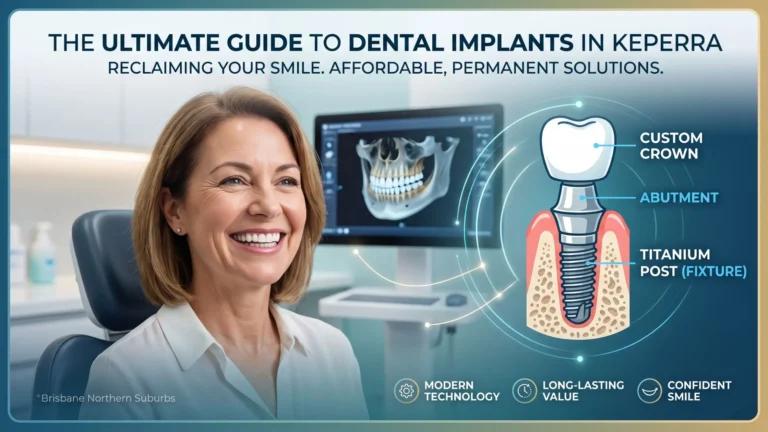
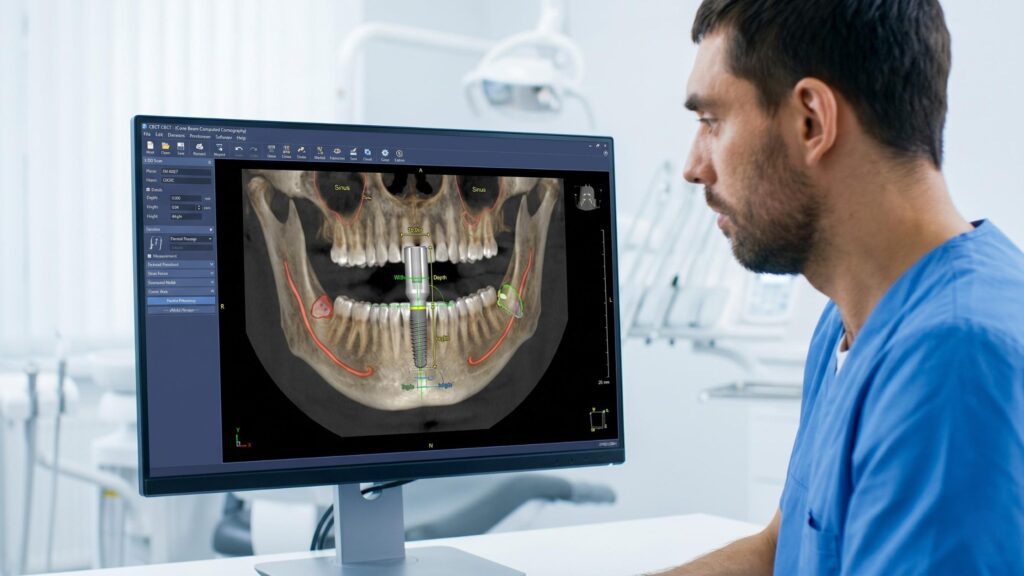
A. The Diagnostic Phase and 3D Technology Before a scalpel is ever lifted, hours of planning take place. Premium clinics utilize Cone Beam Computed Tomography (CBCT) scanners. These million-dollar machines take hundreds of X-rays in seconds, compiling them into a 3D model of your skull. Your dentist uses this software to virtually place the post, map out your facial nerves, and measure bone density down to the millimeter. This phase guarantees surgical safety and predictable results.
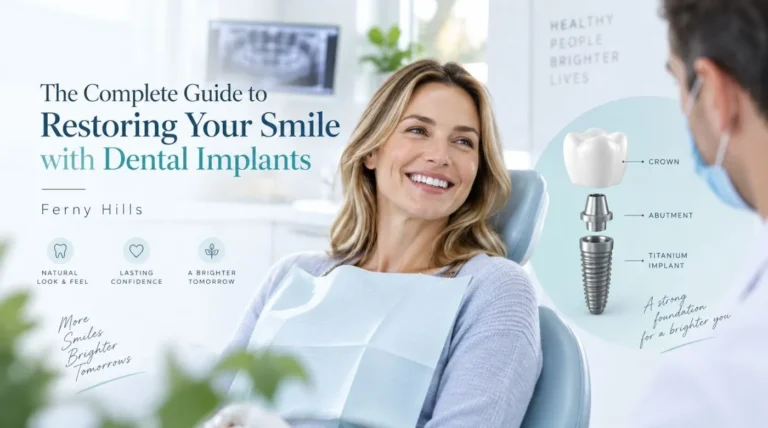
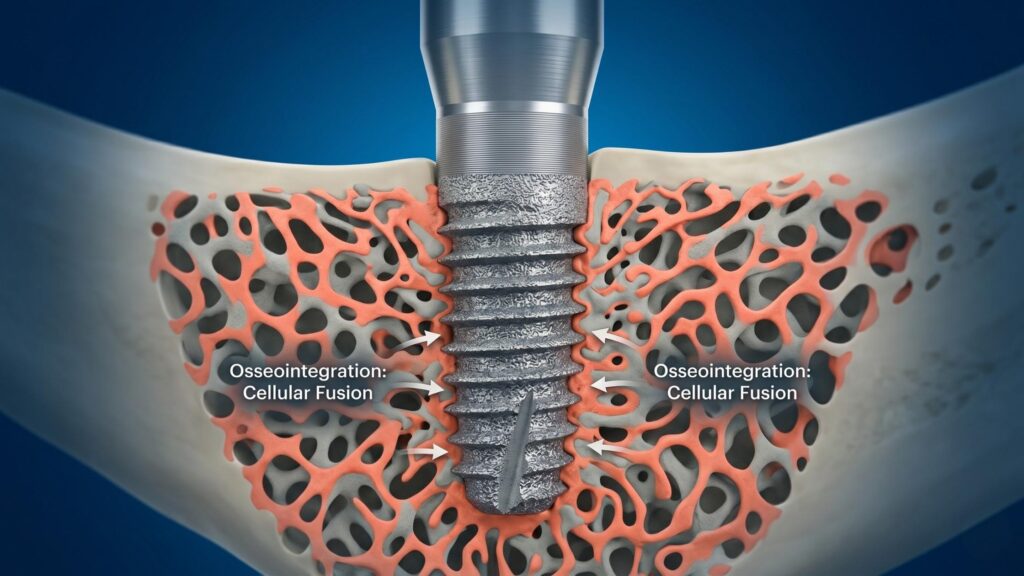
B. The Aerospace-Grade Titanium Root The foundational element of the treatment is the post itself. This is not standard metal. It is fabricated from highly purified, biocompatible titanium—the same material used in hip replacements. Titanium has a unique property: human osteoblasts (bone-building cells) do not recognize it as a foreign object. Instead, they attach directly to it. The manufacturing of these posts requires microscopic precision, as the external threads must perfectly engage your bone.
C. The Surgical Expertise and Clinical Environment You are paying for the hands of a highly trained professional. The placement requires a sterile, surgically prepared environment. The dentist must navigate complex anatomy, manage soft tissue, and place the post at the exact optimal angle to absorb the immense forces of your bite.
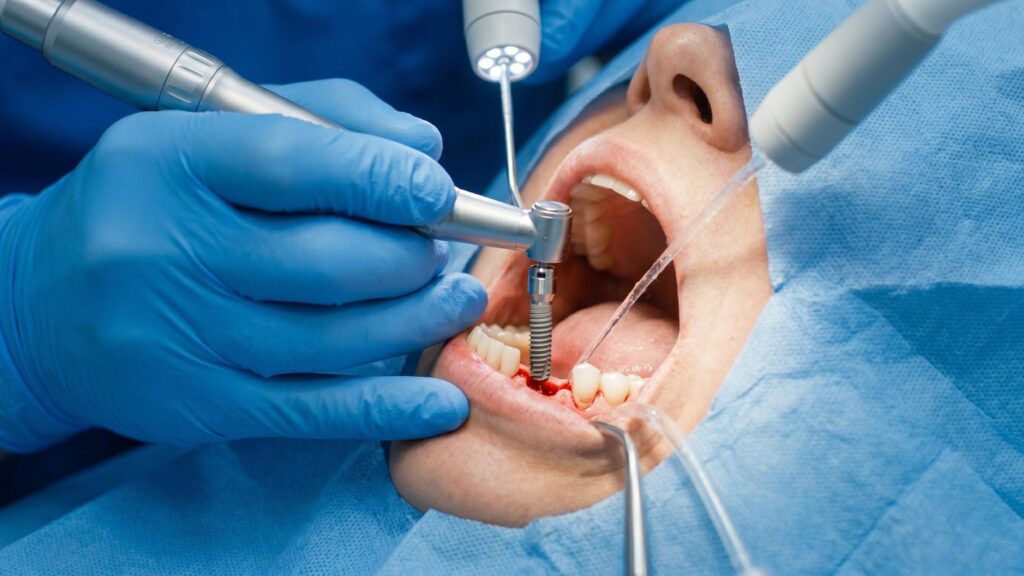
D. The Custom Laboratory Abutment and Crown The visible part of your new tooth—the implant crown—is a bespoke piece of art. It is not pulled from a stock drawer. A master ceramist working in a dental laboratory will spend hours milling and hand-painting high-translucency Zirconia or E-max porcelain. They ensure the ridges match your natural bite and the color mimics the specific light-reflecting properties of your surrounding teeth.
4. The Hidden Financial and Biological Costs of “Cheap” Alternatives
When comparing the implants teeth cost to a traditional dental bridge or a removable plastic denture, you must calculate the lifetime cost of maintenance. The initial savings of cheaper options are quickly erased by their biological consequences.
The Reality of Traditional Dentures: Removable dentures rest on the gums, accelerating bone loss due to constant friction. Because your jawbone continually shrinks, dentures lose their fit. They require messy adhesives, professional clinical relines every two years, and complete replacement every five to seven years. Over a 20-year span, you may buy four or five sets of dentures.
The Reality of Traditional Bridges: A conventional dental bridge requires the clinician to permanently grind down the perfectly healthy teeth on either side of the missing tooth to act as anchors. This destroys protective enamel, making those anchor teeth highly susceptible to decay and future root canals. Bridges typically fail after 10 to 15 years, meaning the entire unit must be replaced.
💡 Clinical Pro-Tip: Do not fall victim to “overseas dental holidays” promising rock-bottom prices. The use of generic, unregulated titanium knock-offs, lack of proper 3D imaging, and rushed healing protocols frequently result in catastrophic clinical failure, requiring incredibly expensive revision and reconstructive surgery back home.
5. The Variables That Influence Your Specific Treatment Fee
Because no two human bodies are alike, no two treatment plans are identical. If you are searching for an “implant dentist near me“, a reputable clinician will provide a fully customized quote based on these exact variables:
- The Scope of Restoration: Replacing a single central incisor is vastly different from replacing a full upper arch of teeth using a complex All-on-4 or All-on-6 framework.
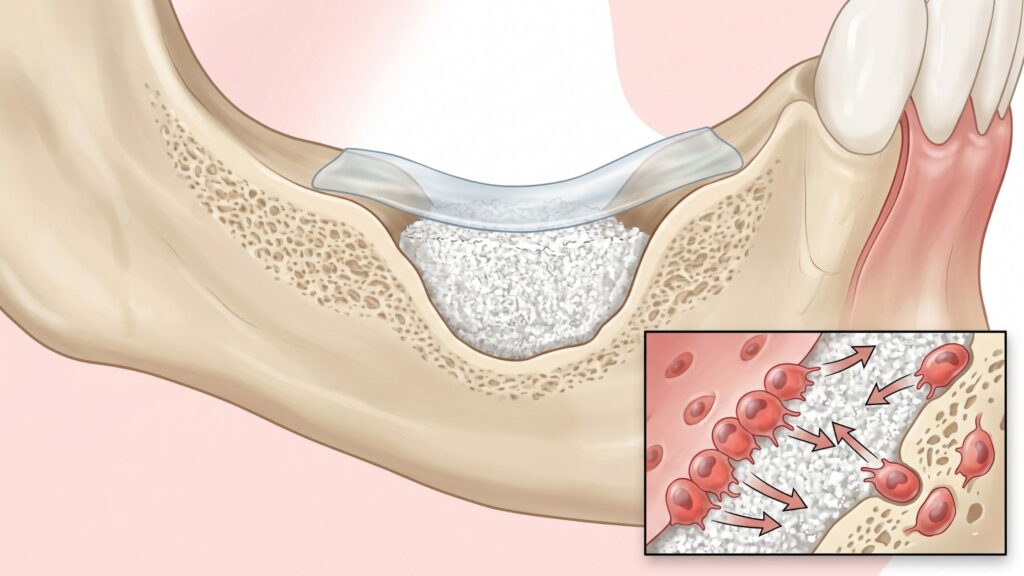
- The Need for Hard Tissue Grafting: If your tooth has been missing for years, your jawbone has likely deteriorated. You will require a supplementary bone grafting procedure or a sinus lift to create a foundation thick enough to hold the titanium post. This requires additional materials, surgery, and healing time.
- The Need for Soft Tissue Management: Sometimes, the gum tissue around the missing tooth has receded. A gum graft may be necessary to ensure the final crown looks perfectly natural and is protected from bacterial infiltration.
- Material Selection: Upgrading to premium, aesthetic materials like monolithic Zirconia for the final crown will alter the total fee compared to standard porcelain-fused-to-metal crowns.
6. Evaluating the Lifespan: A 20-Year ROI Projection
Let’s look at the Return on Investment (ROI). While a titanium post demands a higher upfront commitment, it is engineered to last a lifetime with proper home care and regular professional cleanings.
Imagine a 45-year-old patient who loses a single molar.
- Path A (Traditional Bridge): They pay for a bridge. Over the next 40 years, they will likely replace that bridge three times. Furthermore, one of the anchor teeth decays, requiring a root canal and an additional crown. The lifetime cost balloons.
- Path B (Titanium Post): They invest in a permanent post. The bone is preserved. The adjacent teeth remain completely untouched. While the porcelain crown on top might need replacing after 20 years due to normal wear, the surgical titanium foundation remains solid.
The permanent route is, without question, the most financially efficient and biologically conservative choice over a patient’s lifespan.
7. Frequently Asked Questions (FAQs)
Are there hidden costs I should watch out for? A premium, trustworthy dental practice will never surprise you with hidden fees. During your initial consultation, you should be provided with an itemized, comprehensive treatment plan that outlines every phase: from the 3D scans and extractions to the abutment and final custom crown.
Does my health insurance cover any of this? This depends heavily on your specific level of extras cover. While basic policies usually classify the surgical placement of a titanium root as a major or cosmetic procedure, top-tier comprehensive policies often subsidize a portion of the preparatory work (like extractions or X-rays) or a percentage of the final restorative crown. We always recommend consulting directly with your health fund using the item numbers provided in your treatment plan.
How do I know I am receiving high-quality materials? Never hesitate to ask your clinician what brand of titanium posts they use and where their dental laboratory is located. Top-tier professionals use scientifically backed, globally recognized systems (such as Straumann, Nobel Biocare, or MIS) and partner with local, highly regulated master ceramists rather than outsourcing to cheap offshore labs.
Can I get the entire procedure done in one day? While “teeth in a day” marketing is popular, it only applies to specific cases (like full-arch restorations where temporary teeth are loaded immediately). For most single-tooth replacements, attempting to bypass the natural 3-to-6-month biological healing process significantly increases the risk of complete failure. Patience is a critical component of the cost and the success rate.
8. Next Steps for Your Dental Journey

Understanding the true value of your implants teeth cost empowers you to make the best decision for your long-term health. By choosing a permanent, technologically advanced solution, you are protecting your facial structure, preserving your adjacent natural teeth, and investing in a smile that will allow you to eat, speak, and laugh with absolute confidence for decades to come.
If you are ready to explore your personalized options, the first step is to schedule a comprehensive consultation and 3D scan to map out the blueprint for your new smile.