
When patients begin researching permanent tooth replacement, they are often surprised to learn that their journey might require an additional step before the actual tooth can be replaced. If you have been told by your dentist that you need an implant bone graft, you are likely filled with questions. What is it? Why do I need it? Is it painful?
A bone graft is one of the most common and crucial preparatory steps in modern restorative dentistry. It is the architectural foundation that makes a successful implant dental restoration possible. In this comprehensive guide, we will demystify the bone grafting process, explaining why it is necessary, how it works, and how it fits into your overall smile restoration timeline.
The Anatomy of Bone Loss: Why Do We Need Grafts?
To understand why an implant bone graft is necessary, we must first understand the relationship between your teeth and your jawbone.
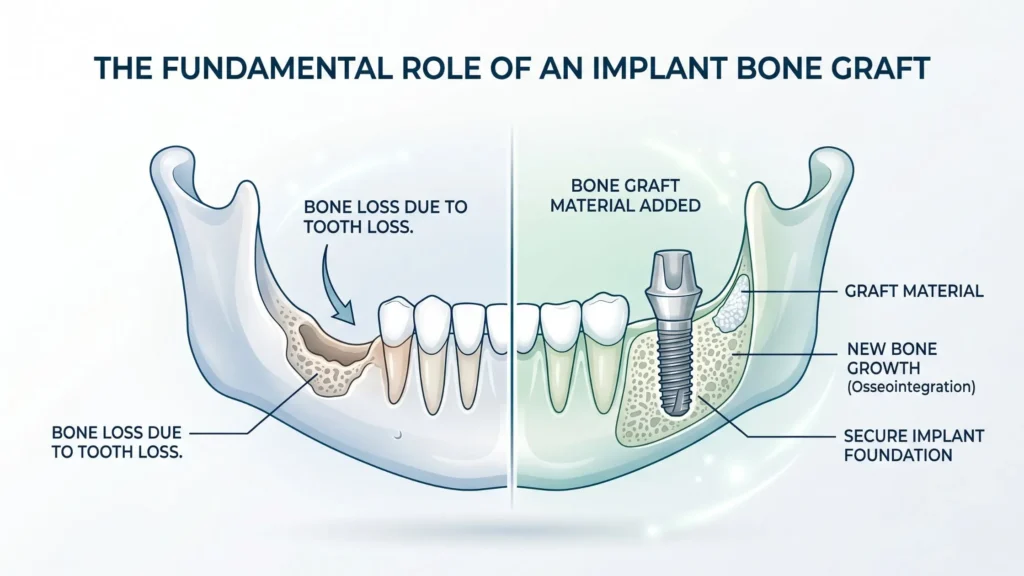
Your jawbone is not a static piece of anatomy; it requires constant stimulation to maintain its volume and density. Every time you bite down or chew, the roots of your natural teeth transmit force into the surrounding jawbone. This stimulation signals your body to continuously send nutrients to the area, keeping the bone strong and healthy.
When you lose a tooth, that vital stimulation disappears entirely. Without it, the body assumes the bone in that specific area is no longer needed. Almost immediately, a process called resorption begins. The body starts breaking down the bone tissue and reabsorbing the minerals back into the bloodstream to be used elsewhere.
In the first year after losing a tooth, you can lose up to 25% of the bone volume in that area. If you wear traditional dentures that sit on top of the gums, the pressure actually accelerates this bone loss.
Why the Implant Procedure Demands Strong Bone
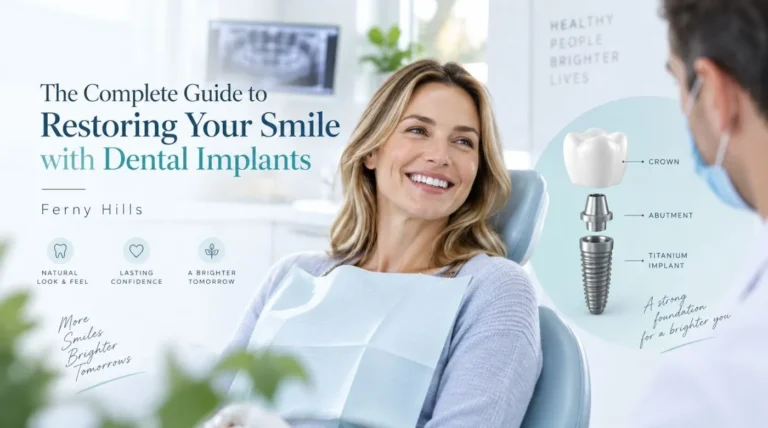
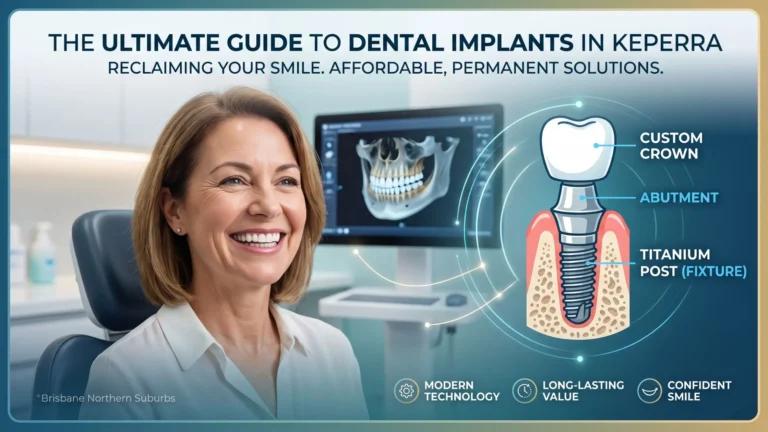
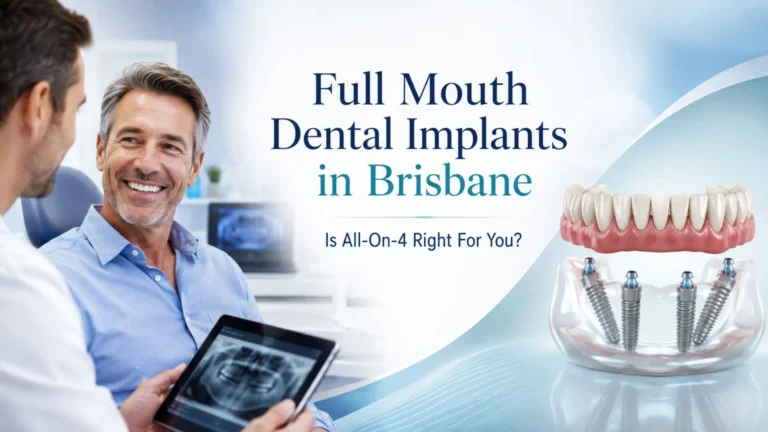
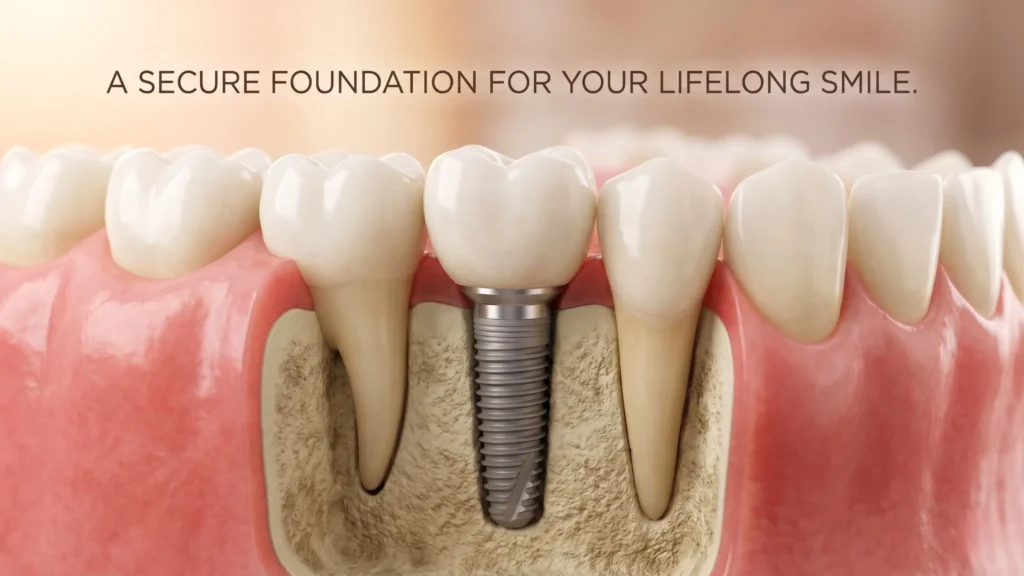
The core of a permanent tooth replacement is a small titanium post that acts as an artificial root. For the implant procedure to be successful, this titanium post must completely fuse with the surrounding jawbone in a biological process known as osseointegration.
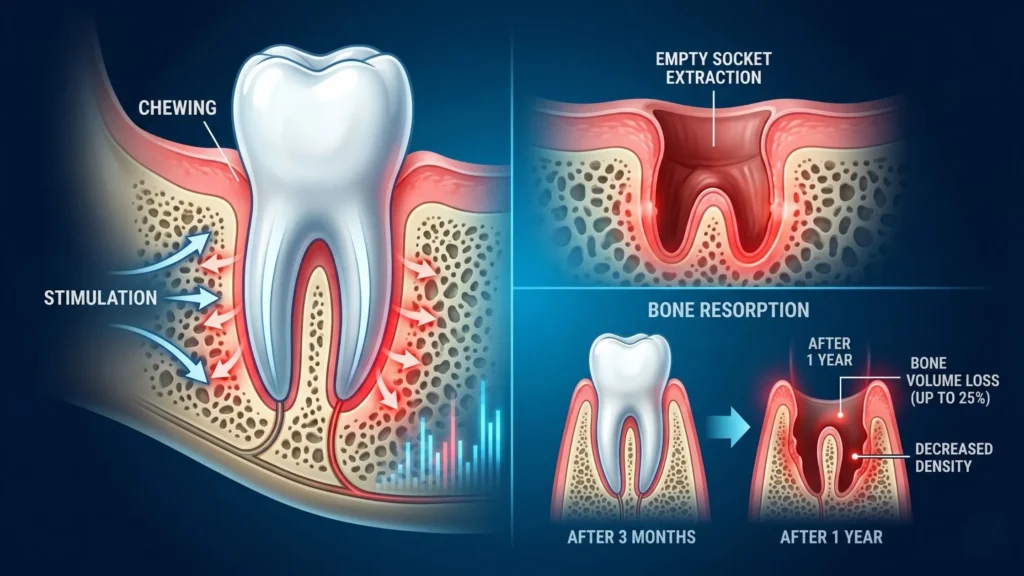
If your jawbone is too thin, too soft, or lacks sufficient height due to resorption, the titanium post will not have enough solid material to anchor into. Placing an implant into weak bone is like trying to build a heavy brick house on a foundation of loose sand—it will inevitably shift and fail.
This is exactly where the implant bone graft comes in. It rebuilds the necessary volume and density, creating a rock-solid foundation that will securely hold your new tooth for decades to come.
Types of Bone Grafting Materials
When searching for an implant dentist near me who performs grafting, they will discuss the various materials available. Modern dentistry offers several excellent options, and the choice depends on your specific clinical needs and personal preferences.
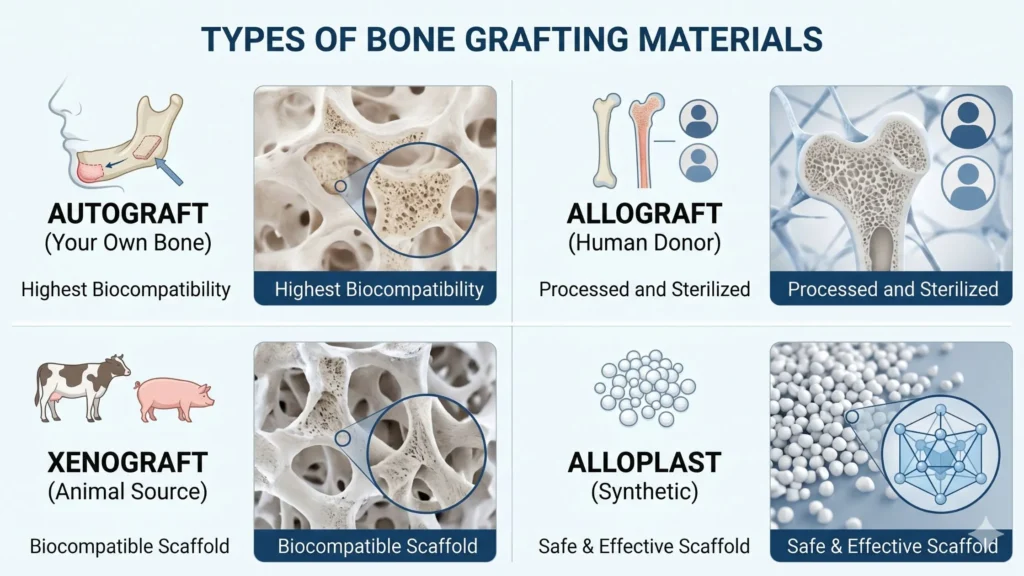
- Autograft (Your Own Bone): This involves taking a small piece of bone from another area of your body, usually the back of your jaw or your hip. Because it is your own living tissue, it integrates perfectly and carries no risk of rejection. However, it does require a second surgical site.
- Allograft (Human Donor Bone): This is bone taken from a human tissue donor. It is rigorously processed, sterilized, and freeze-dried to ensure absolute safety. It is highly effective and eliminates the need for a second surgical site on your body.
- Xenograft (Animal Source): Commonly sourced from bovine (cow) or porcine (pig) bone. Like allografts, it is heavily processed and sterilized, leaving only the complex mineral structure behind. The body uses this structure as a biological framework to grow its own new bone around.
- Alloplast (Synthetic Bone): Made from synthetic materials like calcium phosphate or bioactive glass. This material mimics natural bone and provides a safe, effective scaffold for your body’s natural bone cells to build upon.
The Step-by-Step Bone Grafting Process
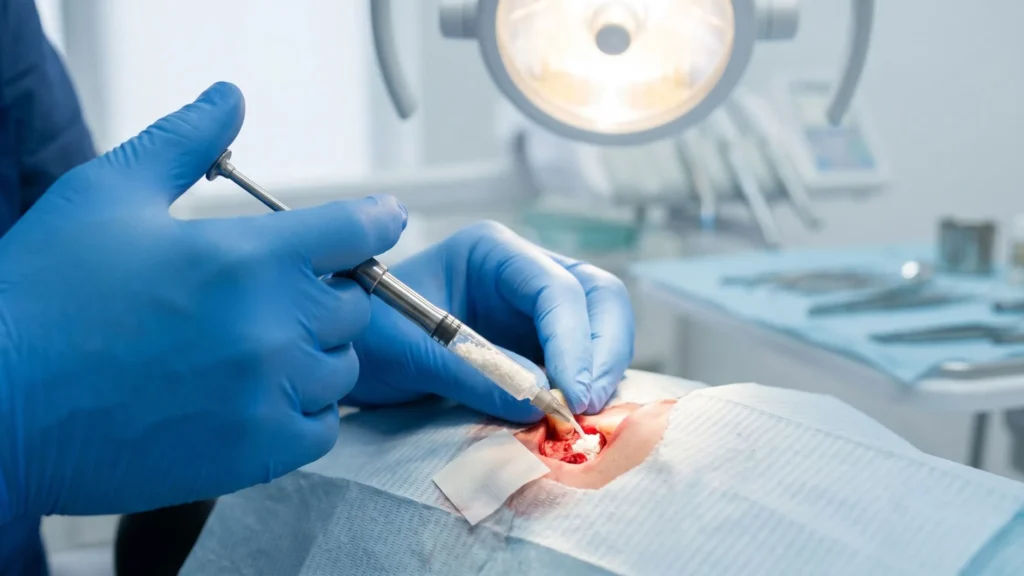
The idea of a bone graft can sound intimidating, but it is actually a very routine, well-tolerated oral surgery.
1. Numbing the Area
Just like the main implant procedure, your comfort is paramount. The area will be thoroughly numbed with local anesthesia. You will be awake, but you will not feel sharp pain. Sedation options are also widely available for nervous patients.
2. Accessing the Site
The dentist or oral surgeon makes a small incision in the gum tissue over the area where the bone is deficient. The gums are gently pulled back to expose the underlying jawbone.
3. Cleaning and Preparation
The exposed bone is thoroughly cleaned and prepared. If there is any infected tissue or remnants of a previously extracted tooth root, it is meticulously removed.
4. Placing the Graft Material
The chosen bone grafting material (often resembling coarse sand or a small sponge) is carefully packed into the deficient area.
5. Applying a Membrane
In most cases, the surgeon will place a small, biocompatible membrane over the graft material. Think of this as a protective blanket. Gum tissue grows much faster than bone tissue. The membrane prevents the fast-growing gum cells from invading the space, ensuring only slow-growing bone cells fill the area.
6. Suturing and Healing
Finally, the gum tissue is sutured back into place, sealing the graft inside. If any severe swelling or complications arise during the immediate days after surgery, accessing reliable emergency dental treatment ensures the graft area remains protected.
The Waiting Game: Healing and Regeneration
Once the implant bone graft is placed, the real magic happens—but it happens slowly. Your body takes over, sending blood vessels and bone-building cells into the graft material. Over time, your body breaks down the graft material and replaces it completely with your own natural, living bone.
This regeneration process takes time. Depending on the size of the graft and your individual healing rate, you can expect to wait anywhere from three to six months, and sometimes up to nine months for complex cases. Your dentist will take periodic X-rays to monitor the bone’s density and determine exactly when the foundation is strong enough to support the titanium implant.
Understanding the Overall Implants Teeth Cost with Grafting
Financial planning is a major part of your treatment journey. When budgeting for your new smile, it is important to understand that an implant bone graft is an additional surgical procedure that will increase your total implants teeth cost.
The cost of the graft depends on the volume of material needed and the complexity of the surgery. While it does add to the upfront expense, it is an absolutely non-negotiable step if you lack bone density. Skipping a necessary bone graft will almost certainly lead to implant failure, which is far more expensive and painful to correct later. View the bone graft as a critical insurance policy for the long-term success of your investment.
Is the Procedure Painful? Post-Operative Expectations
A common question patients ask their implant dentist near me is regarding the pain associated with grafting.
Because the procedure is done under local anesthesia, you will not feel pain during the surgery itself. In the days following the procedure, it is normal to experience some swelling, minor bruising, and a dull, aching discomfort in the jaw.
However, this discomfort is highly manageable. Most patients find that over-the-counter anti-inflammatory medications (like ibuprofen) are perfectly sufficient to control the pain. Your dentist may also prescribe an antibiotic to prevent infection and a special antimicrobial mouthwash. Applying an ice pack to your cheek in the first 24 hours will significantly reduce swelling. Most patients return to their normal daily activities within two to three days.
Conclusion
An implant bone graft is not a complication; it is a profound clinical advantage. It allows patients who were previously told they were not candidates for permanent tooth replacement to successfully rebuild their smiles. By taking the time to regenerate a strong, healthy foundation, you are ensuring that your final restoration will be stable, functional, and beautiful for decades to come. If you are ready to start your journey, reach out to a skilled professional to have your bone density evaluated today.