
Introduction: The Critical Difference Between a Nuisance and a Crisis

We’ve all experienced a twinge of dental pain—a brief sensitivity to ice cream or a fleeting discomfort after a hard bite. Most minor aches resolve themselves. However, a select group of symptoms signals something far more serious: a dental emergency that requires immediate professional attention. Ignoring these signals is not just uncomfortable; it can lead to severe health complications, including widespread infection, permanent tooth loss, and expensive, complicated future treatments.
When the pain moves from a mild annoyance to a severe, throbbing, or persistent issue, your immediate action is to find expert dentists near me. This isn’t about routine maintenance; it’s about protecting your health, preserving your smile, and preventing a catastrophic outcome.
At My Gentle Dentist, we understand that dental emergencies don’t stick to a schedule. Whether it’s a weekend, a public holiday, or the middle of the night, being able to recognize the warning signs and know exactly where to turn is crucial. This comprehensive guide details the 7 urgent symptoms that should prompt you to stop what you’re doing and contact a trusted dental clinic near me without delay.
The primary objective of this deep dive is two-fold: to educate you on recognizing these critical symptoms and to empower you to seek swift and effective help. Your oral health is inextricably linked to your overall systemic health, and understanding when to act is the first step toward a quick recovery. If you are currently experiencing any of the symptoms detailed below, please reference our guide on Emergency Dental Treatment right away.
1. Excruciating, Persistent, and Throbbing Toothache
A persistent, severe toothache is the most common reason people urgently search for dentists near me. This is not the dull ache you get from a piece of food stuck between teeth; this is a relentless, throbbing pain that often keeps you awake at night and is resistant to over-the-counter pain relievers.
The Underlying Danger: Pulpitis and Infection
This level of pain is almost always an indication of advanced dental disease. It signifies that the infection or decay has penetrated the tooth’s hard enamel and dentin layers and reached the dental pulp—the innermost chamber containing nerves and blood vessels.
When the pulp becomes inflamed (a condition called pulpitis), the pressure inside the tooth rises, compressing the sensitive nerves. Since the pressure has nowhere to go, the result is that agonizing, throbbing sensation. This infection can quickly spread beyond the tooth’s root tip into the jawbone, forming an abscess.
Why Immediate Treatment is Critical
- Preventing Abscess Formation: An abscess is a pocket of pus that can cause serious systemic infection.
- Saving the Tooth: Prompt intervention, typically a root canal treatment or deep filling, can often eradicate the infection and save the natural tooth. Delaying treatment guarantees a worsening infection, which eventually requires extraction.
- Controlling Systemic Spread: Untreated dental infections can spread to the jaw, neck, and, in rare but severe cases, the brain or bloodstream (sepsis), becoming life-threatening.
If you are experiencing a toothache that feels like a constant, rhythmic hammering inside your mouth, you need an emergency dentist near me. Do not attempt to “tough it out.”
2. Swelling in the Face, Jaw, or Gums
Visible swelling, especially when accompanied by pain, is a clear sign of a spreading infection and constitutes a major dental emergency. Unlike localized redness, facial swelling indicates that the infection is leaving the confines of the tooth and starting to penetrate the surrounding soft tissues.
Recognizing the Severity
- Gum Swelling (Localized): A small, painful bump on the gum line, often called a “pimple,” is usually a fistula—a track that allows pus from a chronic abscess to drain. While this may temporarily relieve the pain, the infection remains active.
- Facial/Jaw Swelling (Widespread): Swelling that makes one side of the face look noticeably larger, affects the eye area, or extends into the neck is highly dangerous. This can be the first sign of cellulitis, a serious, rapidly spreading bacterial skin infection that can obstruct airways and requires immediate medical attention alongside emergency dental care.
The Emergency Response
If you notice your jaw or face swelling, it is paramount to seek an emergency dentist near me immediately. The swelling is a physical manifestation of a serious underlying bacterial threat. Applying a cold compress to the outside of the cheek can help reduce the inflammation while you travel to the dental clinic near me. Do not apply heat, as this can draw the infection further outward.
3. A Knocked-Out (Avulsed) Tooth
A knocked-out or “avulsed” tooth is arguably the most time-sensitive dental emergency. It typically results from trauma, such as a sports injury, a fall, or an accident. The chance of successfully reimplanting the tooth drastically decreases with every minute that passes outside the socket.
The Critical 30-Minute Window
The viability of the tooth relies on the periodontal ligament (PDL) cells attached to the root surface remaining alive. These cells begin to die almost immediately when the tooth is dry. The golden window for successful re-implantation is 30 minutes to one hour.
How to Save the Tooth (First Aid Steps)
This is a scenario where your quick, correct actions before reaching the dentists near me are critical:
- Handle with Care: Pick up the tooth only by the crown (the white chewing surface), never the root.
- Rinse Gently: If the tooth is dirty, rinse it briefly (no more than 10 seconds) with cold running water. Do not scrub, wipe, or use soap.
- Re-implant (If Possible): If the patient is calm and conscious, try to gently push the tooth back into its socket. Have the patient bite down gently on a clean piece of gauze or cloth to hold it in place.
- Transport Safely: If re-implantation is impossible, the tooth must be kept moist. Transport it in a sealed container of cold milk, a special tooth preservation solution, or, as a last resort, have the patient hold it in their mouth next to the cheek (taking care not to swallow).
- Go Directly to the Emergency Dentist: Every second counts. Alert the dental clinic near me that you are on your way with an avulsed tooth.
4. Bleeding that Won’t Stop
Minor gum bleeding from aggressive brushing or flossing is usually not an emergency. However, bleeding that is profuse, persistent, or is the result of trauma requires urgent care.
When Bleeding Becomes an Emergency
- Post-Extraction Bleeding: If you have had a tooth removed and the bleeding does not subside after a few hours, despite applying pressure, you need to contact your dentists near me. Excessive blood loss can lead to complications and may indicate that the blood clot has been dislodged (a risk for dry socket).
- Trauma-Related Lacerations: Bleeding from cuts or lacerations to the lips, cheeks, or tongue due to an impact can be significant. While some cuts may require sutures from a general practitioner, a dentist should evaluate any oral trauma to ensure underlying teeth or bone haven’t been damaged.
- Spontaneous Bleeding: Unexplained, heavy bleeding from the gums that occurs without brushing or flossing could indicate severe periodontitis or, in rare cases, an underlying systemic condition.
For any significant, uncontrolled bleeding in the mouth, contact an emergency dentist near me immediately for guidance and treatment.
5. Broken, Cracked, or Severely Chipped Tooth
A chipped tooth might seem like a cosmetic issue, but depending on the size and depth of the fracture, it can be a serious emergency.
The Hidden Threat of Fractures
- Fracture Reaching the Pulp: If the crack or break extends into the dental pulp (nerve tissue), you will experience immediate, intense pain and extreme sensitivity to temperature. This allows bacteria to enter the pulp, leading to a fast-developing infection.
- Vertical Root Fracture: This type of crack runs vertically down the root of the tooth and is often invisible above the gum line. It can cause excruciating pain upon chewing or release of bite pressure and usually signals that the tooth cannot be saved and requires prompt extraction to prevent bone loss.
- Jagged Edges: A tooth with a sharp, broken edge can severely lacerate the tongue, cheek, or lip, leading to secondary bleeding and infection risks.
The Need for Swift Action
Any fracture that causes pain, extreme sensitivity, or has a sharp edge requires immediate attention from a dental clinic near me. The dentist will assess the fracture, smooth any sharp edges, and may recommend immediate treatments like bonding, a temporary crown, or root canal therapy to stabilize the tooth and prevent infection.
6. Painful, Popping, or Locked Jaw (TMJ Crisis)
While chronic Temporomandibular Joint (TMJ) dysfunction is an ongoing issue managed over time, a sudden, acute crisis—such as a locked jaw or severe, debilitating jaw pain—is an emergency that requires immediate care.
Recognizing a TMJ Emergency
- Trismus (Lockjaw): The inability to fully open or close your mouth. This can be caused by muscle spasms, inflammation of the jaw joint capsule, or, in severe cases, a dislocation of the jaw joint. If the lock is due to a dental infection spreading to the jaw muscles, it is doubly urgent.
- Dislocated Jaw: This occurs when the lower jawbone pops out of its socket, often resulting from a wide yawn, a blow to the face, or a severe chewing action. The mouth will be held open, and the patient cannot close it.
- Acute Pain: Sudden, agonizing pain radiating from the joint (just in front of the ear) that makes speaking or eating impossible.
A My Gentle Dentist professional is skilled in assessing and treating acute jaw issues, often being able to gently guide a dislocated jaw back into place or prescribe immediate muscle relaxants and pain management protocols. Waiting for a locked jaw to resolve itself is painful and risks making the condition more chronic.
7. Sudden Sensitivity to Temperature or Pressure
While minor sensitivity is common, a sudden, acute inability to tolerate hot or cold foods or liquids indicates a new and serious underlying problem, typically a deep cavity or a compromised filling.
The Signal of Advanced Decay
- Lingering Pain: If the pain from a cold drink lingers for several seconds or even minutes after the stimulus is removed, this suggests irreversible pulpitis. The nerve tissue inside the tooth has been damaged by bacterial toxins from decay and is now dying. This stage always requires root canal therapy or extraction, and delaying treatment guarantees the infection will spread.
- Pain on Biting/Chewing: Pain that occurs only when you bite down is often a sign of a crack in the tooth that is flexing under pressure, or it could be a sign of infection/inflammation at the tooth’s root tip.
If a new, extreme sensitivity has recently developed, you need an assessment from dentists near me to catch the decay before it results in a full-blown, acute abscess.
What to Do Before Visiting the Emergency Dentist Near Me: First Aid and Preparation
Recognizing the symptoms is only the first half of the battle. Your actions immediately following the recognition of an emergency are vital for pain management and improving the success rate of the eventual treatment.
Immediate First Aid Protocol
| Symptom | First Aid Steps | What to AVOID |
| Severe Toothache | Rinse mouth with warm salt water to clean the area. Use over-the-counter pain relievers (e.g., ibuprofen, if medically safe). | Placing aspirin directly on the gum (can cause chemical burns). Using heat packs on the outside of the face. |
| Knocked-Out Tooth | Follow the 5-step re-implantation/storage protocol (Milk is best). Handle by the crown ONLY. | Scrubbing the root. Allowing the tooth to dry out. Transporting in tap water. |
| Facial/Jaw Swelling | Apply a cold compress or ice pack to the affected area (15 mins on, 15 mins off). Keep your head elevated. | Applying heat (can spread infection). Taking antibiotics without professional advice. |
| Broken/Chipped Tooth | Rinse mouth with warm water. Cover sharp edges with dental wax, sugar-free gum, or a piece of gauze. | Eating or chewing on the side of the mouth with the injury. |
| Bleeding Gums/Trauma | Apply firm, continuous pressure with a clean gauze or teabag for 20 minutes. Repeat if necessary. | Rinsing forcefully (dislodges the clot). Spitting excessively. |
Preparation for Your Emergency Dental Visit
- Call Ahead: Always contact the dental clinic near me first. Inform them of your emergency (e.g., “I have a knocked-out tooth,” “I have a severe abscess and swelling”). This allows them to prepare the necessary equipment and potentially guide you through immediate first aid.
- Gather Information: Be ready to provide your medical history, current medications, and any dental insurance information to streamline your admission process.
- Arrange Transport: If you are in severe pain, dizzy, or have a severe head/jaw injury, arrange for someone else to drive you to the clinic.
For immediate contact and guidance on getting to the nearest open treatment slot, please call My Gentle Dentist directly.
The Long-Term Consequences of Delaying Urgent Dental Care
The immediate relief offered by an emergency dentist near me is vital, but the long-term consequences of delay are equally important to understand.
The Health and Financial Costs
- Total Tooth Loss: A tooth that could have been saved with a root canal (a less expensive procedure) may require extraction and replacement with an implant or bridge (a significantly more expensive and complex procedure) if the infection is allowed to destroy too much of the tooth structure.
- Spread of Infection (Systemic Health): Untreated oral infections can turn into cellulitis, Ludwig’s angina (a severe neck and floor-of-mouth infection that can block the airway), or even infective endocarditis (an infection of the heart lining), especially in patients with pre-existing conditions.
- Chronic Pain and Nerve Damage: Chronic infection can lead to persistent nerve inflammation and irreversible damage to the surrounding bone and soft tissues.
- Bone Loss: Severe periodontal disease or long-standing abscesses destroy the supporting jawbone, leading to loose teeth and further extractions.
By seeking prompt care at a reputable dental clinic near me, you are investing in two things: your immediate comfort and your long-term health and financial stability.
Why Choose My Gentle Dentist for Your Emergency Needs
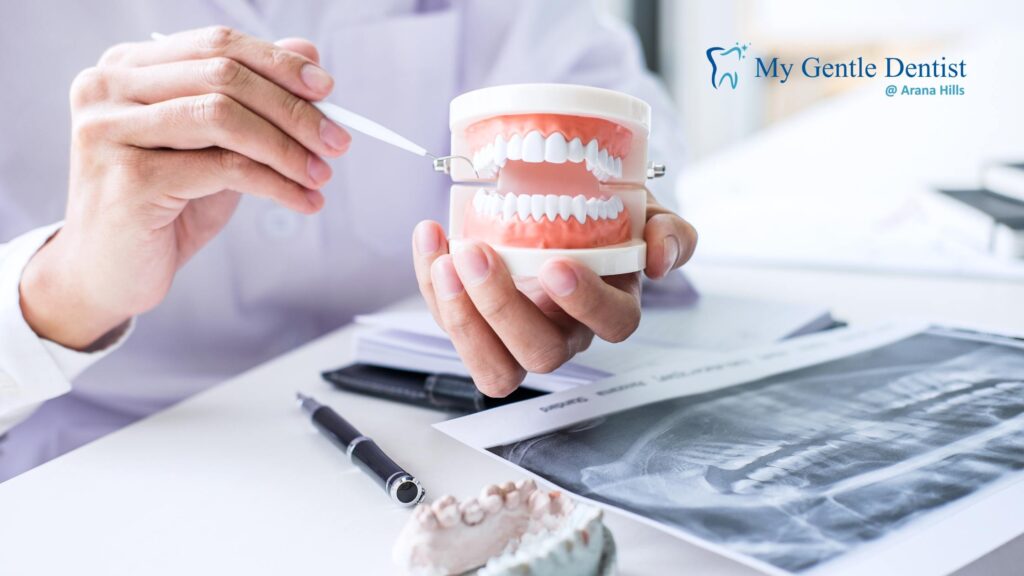
When pain hits, you need a caring, skilled team ready to act. You need to know that the dentists near me are not just available, but are equipped and experienced in handling complex and stressful situations.
Our Commitment to Emergency Care
- Same-Day Appointments: We prioritize dental emergencies to ensure you receive care as quickly as possible. When you call, we make every effort to fit you in that day.
- Gentle and Pain-Free Approach: We understand that dental emergencies are scary. Our team at My Gentle Dentist specializes in gentle techniques, ensuring your pain is managed effectively and your treatment is as comfortable as possible.
- Advanced Technology: From digital imaging to precise diagnostic tools, we have the technology required to quickly and accurately assess the problem and determine the most effective course of Emergency Dental Treatment.
- Comprehensive Solutions: Our goal is not just to fix the immediate pain, but to provide a long-lasting solution, whether that involves a complex root canal, restoration, or post-trauma follow-up.
When you’re searching for an emergency dentist near me, you are looking for competence and compassion. That is exactly what we provide.
Conclusion: Taking Control of Your Dental Health
Dental emergencies are disruptive, painful, and often frightening. However, by understanding the 7 urgent symptoms—excruciating toothache, facial swelling, knocked-out teeth, uncontrolled bleeding, severe fractures, jaw lock, and lingering sensitivity—you are prepared to act decisively.
Remember the two golden rules of dental emergency care:
- Time is Tooth: The faster you act, the higher the chance of saving the tooth and preventing the infection from spreading.
- Never Ignore the Pain: Severe pain is your body’s alarm system. Ignoring it is a risk you cannot afford to take.
If you or a loved one are experiencing any of these critical symptoms, stop searching and start calling. The expert team at My Gentle Dentist is here to provide the immediate, gentle, and effective care you need.
Contact the leading dental clinic near me today to secure your appointment and start your path to recovery.
Frequently Asked Questions (FAQ)

1. What qualifies as a true dental emergency?
A dental emergency involves severe pain, bleeding, infection, swelling, or trauma that threatens the health or structure of your teeth, gums, or jaw. Common examples include severe toothaches, knocked-out teeth, facial swelling, or uncontrollable bleeding.
2. How do I know if my toothache needs emergency dental care?
If your toothache is severe, throbbing, constant, and unresponsive to painkillers, it likely indicates an infection or pulpitis that requires immediate professional treatment. Minor, short-term sensitivity typically does not require emergency care.
3. What should I do if my face or jaw suddenly swells?
Facial or jaw swelling often signals a spreading dental infection that can become life-threatening if ignored. Apply a cold compress and seek an emergency dentist near you immediately. Avoid applying heat, as it can worsen the infection.
4. How fast should I act if my tooth gets knocked out?
Time is critical. You have 30 to 60 minutes to save the tooth. Handle it by the crown (not the root), rinse gently with water, and if possible, reinsert it in the socket or place it in cold milk before heading straight to the dentist.
5. Can I stop bleeding gums or mouth injuries at home?
For minor cuts or mild bleeding, apply firm pressure with clean gauze for 20 minutes. However, if bleeding is heavy or doesn’t stop after a few hours, contact an emergency dentist immediately—it may require professional treatment or sutures.
6. What if I crack or break a tooth—should I wait for a normal appointment?
No. A broken or cracked tooth can quickly lead to infection or pulp damage. Cover any sharp edges with dental wax or sugar-free gum and schedule an emergency dental visit as soon as possible.
7. Why is my jaw suddenly locking or making popping sounds?
This could indicate a Temporomandibular Joint (TMJ) disorder or dislocation. If you can’t open or close your mouth properly, or if the pain is severe, it’s an emergency. Contact a dentist or medical professional right away for evaluation.
8. What does sudden, extreme tooth sensitivity mean?
If you suddenly can’t tolerate hot or cold foods, it may signal advanced decay, a cracked tooth, or pulp inflammation. Persistent sensitivity is an early warning of irreversible damage that needs prompt dental care.
9. Can a dental infection spread to other parts of the body?
Yes. Untreated dental infections can spread to the jaw, neck, or bloodstream, leading to conditions like cellulitis, Ludwig’s angina, or even sepsis. Immediate dental treatment is crucial to prevent these complications.
10. Why should I choose My Gentle Dentist for emergency dental care?
My Gentle Dentist offers same-day appointments, gentle pain-free care, and advanced emergency technology. Our compassionate professionals focus on both immediate relief and long-term restoration of your oral health.