
📝 The TL;DR (Too Long; Didn’t Read)
- The Problem: Missing teeth cause jawbone to shrink over time.
- The Solution: An implant bone graft rebuilds the lost bone, creating a solid anchor.
- The Result: A perfectly stable foundation for your new, permanent tooth that looks and functions like the real thing.
📌 Table of Contents
- The Hidden Consequence of Missing Teeth
- What Exactly is a Bone Graft?
- Step-by-Step: How It Works
- The Materials Used
- Long-Term Value & Cost
- Finding Your Specialist
The Hidden Consequence of Missing Teeth
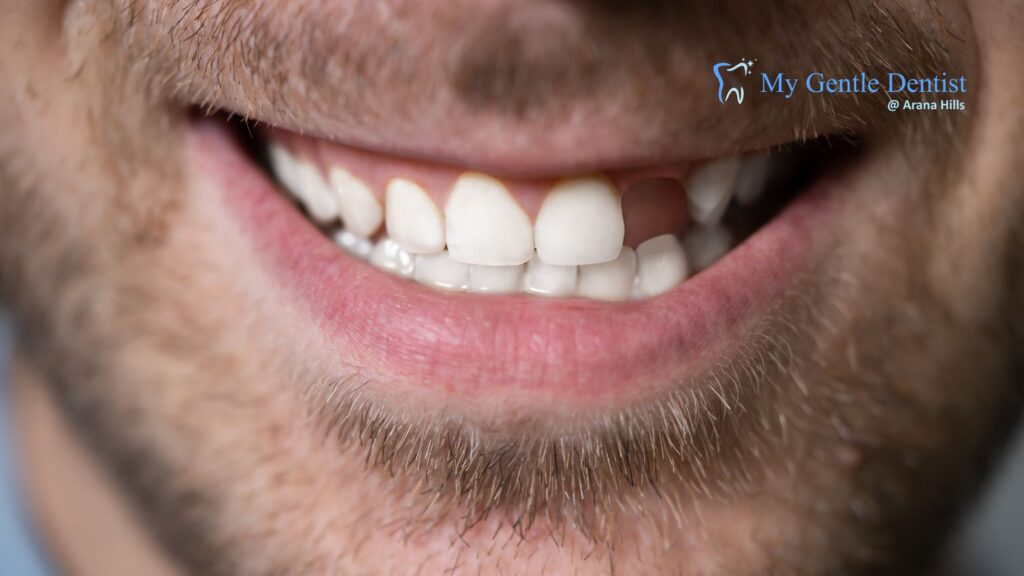
When you lose a tooth, the impact goes far beneath the gumline. Without a root to stimulate the jawbone during chewing, the bone begins to rapidly resorb (melt away). Over time, this leads to a sunken facial appearance and leaves the jaw too weak to support modern restorative treatments.
If you’re considering an implant dental procedure, a strong jawbone isn’t just nice to have—it is an absolute clinical necessity.
What Exactly is an Implant Bone Graft?
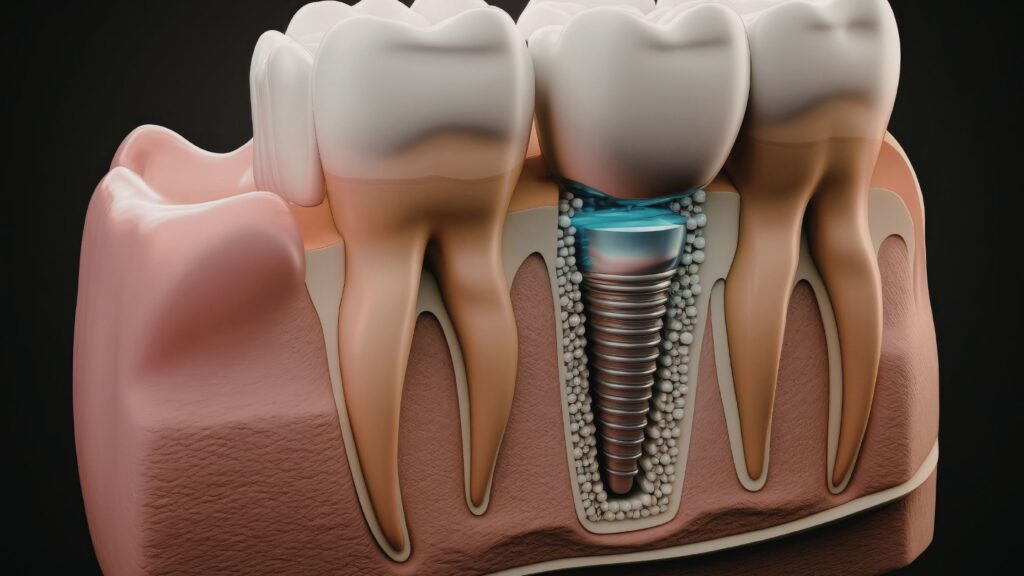
An implant bone graft is an advanced surgical technique designed to regenerate lost bone. By placing a specialized scaffolding material into the depleted area, we trick your body into restarting its natural bone-building process.
Why is it mandatory for some?
For a titanium post to survive the intense pressure of biting and chewing, it must be completely encased in dense, healthy bone. A graft ensures this flawless integration.
Step-by-Step: The Complete Journey
Understanding the implant procedure timeline helps remove the anxiety of the unknown. Here is your roadmap:
- Step 1: 3D Diagnostics: High-resolution CBCT scans map your jawbone’s density with millimeter precision.
- Step 2: The Graft Placement: The grafting material is safely deposited into the target area under local anesthesia.
- Step 3: Cellular Regeneration: Over 3 to 6 months, your body replaces the graft material with your own natural, healthy bone.
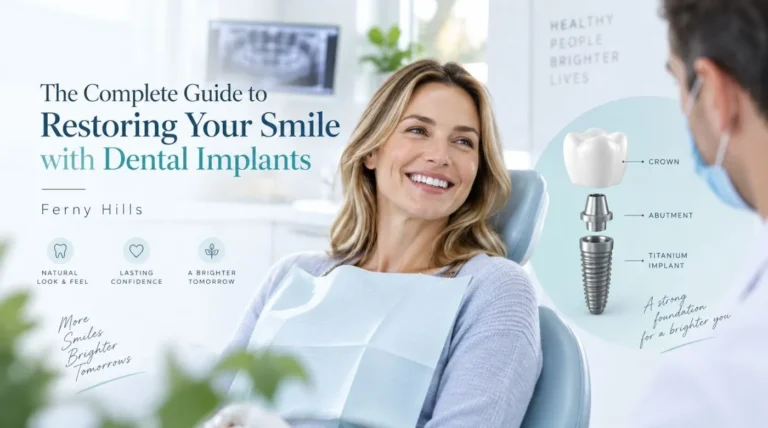
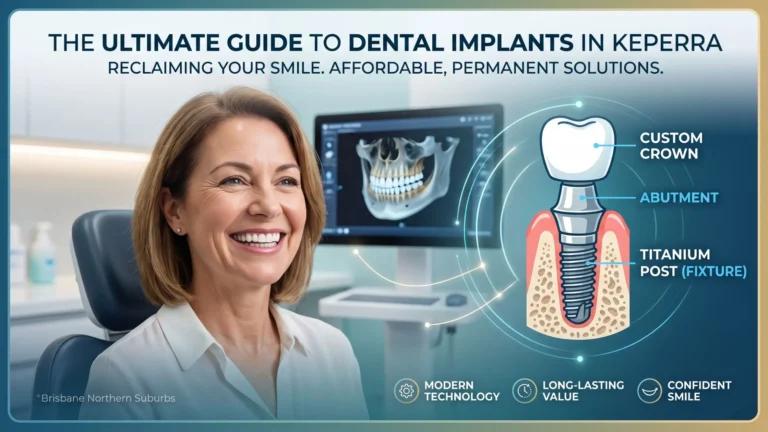
- Step 4: The Final Anchor: Once fortified, the titanium post is securely placed.
💡 Clinical Pro-Tip: Do not rush the healing phase! The success of your final crown depends entirely on the microscopic fusing of bone to titanium (osseointegration) during these crucial months.
Decoding the Materials Used
Science gives us several incredible options for rebuilding your smile:
| Graft Type | Material Source | Key Advantage |
| Autograft | Your own bone | Ultimate biocompatibility. |
| Allograft | Human tissue bank | No secondary surgical site needed. |
| Xenograft | Animal (usually bovine) | Exceptional structural scaffolding. |
| Alloplast | Synthetic minerals | 100% artificial, excellent safety profile. |
Long-Term Value vs. Immediate Price
When patients evaluate the total implants teeth cost, the addition of a bone graft is sometimes seen as an unexpected variable.
However, think of a graft as the concrete foundation of a house. You wouldn’t build a luxury home on shifting sand. Investing in a bone graft guarantees that your final restoration will remain locked in place for decades, eliminating the need for future corrective surgeries and making it the ultimate long-term investment in your health.
Ready to Rebuild Your Smile?

The skill of your clinician dictates the success of your graft. If you are searching for a highly qualified “implant dentist near me“, prioritize clinics that utilize cutting-edge 3D scanning and sterile, modern surgical suites.
Ready to see if you need a graft? Book your comprehensive 3D scan and consultation today to map out your perfect smile.